MOTS-C 10mg: Research Overview, Mitochondrial Peptide Information, and Quality Guide
Introduction to MOTS-C 10mg
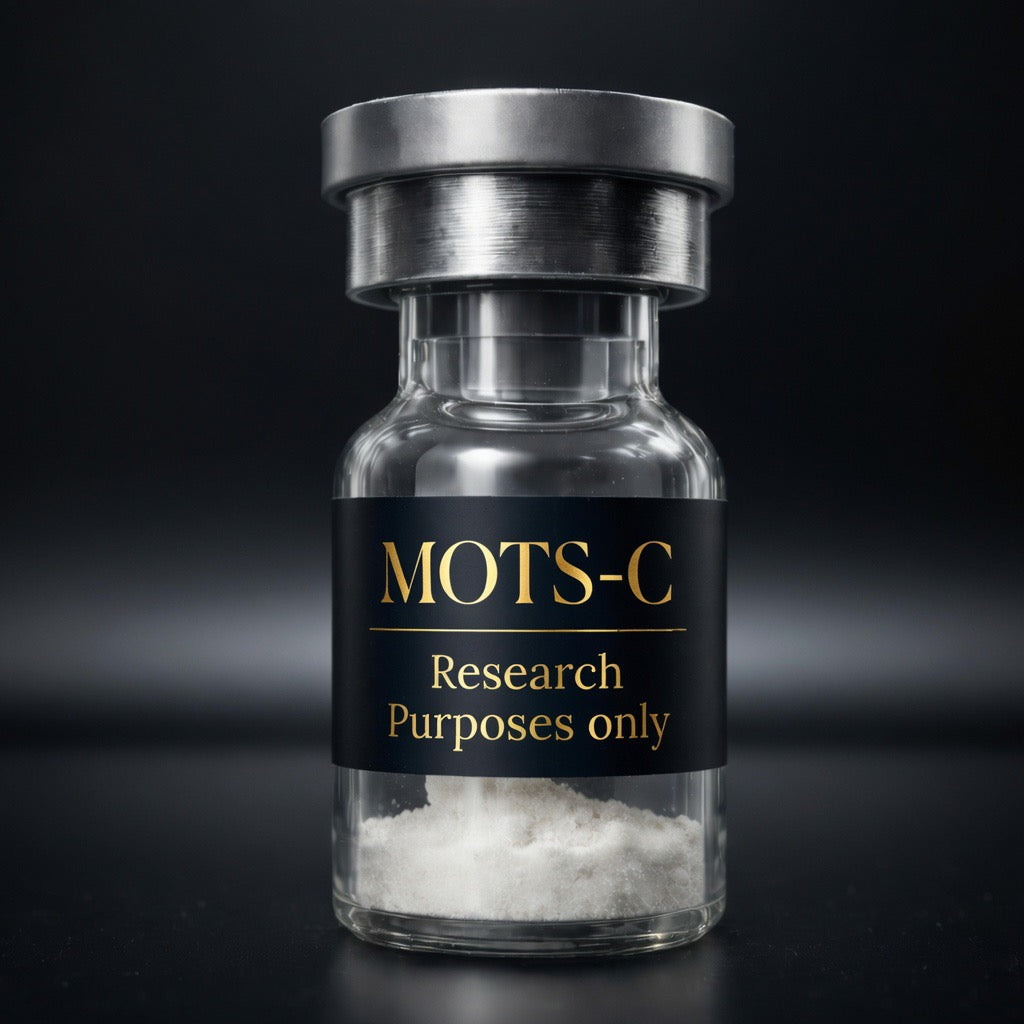
MOTS-C 10mg is a research-format peptide product containing a defined quantity of MOTS-C, a mitochondrial-derived peptide studied in molecular biology and cellular research.
MOTS-C (Mitochondrial Open Reading Frame of the 12S rRNA-c) is a naturally occurring 16-amino-acid peptide encoded by mitochondrial DNA. Scientific research has explored its involvement in mitochondrial communication, energy regulation pathways, and cellular stress response mechanisms.
The 10mg specification provides a clearly identified quantity format that supports product documentation, inventory management, and research record organisation.
Understanding MOTS-C Research
MOTS-C belongs to a group of mitochondrial-derived peptides that have gained scientific interest because mitochondria are involved not only in energy production but also in cellular signalling.
Research studies have examined MOTS-C in areas including:
- Mitochondrial signalling pathways
- Cellular energy regulation
- AMPK pathway research
- Metabolic biology studies
- Molecular communication between mitochondria and cells
Early laboratory research has investigated how MOTS-C interacts with cellular pathways involved in energy homeostasis and metabolic processes.
Key Features of MOTS-C 10mg
MOTS-C 10mg research formats may include features such as:
- Defined 10mg quantity specification
- Peptide research format
- Product identification information
- Batch documentation where available
- Analytical testing information where provided
Specific product characteristics depend on manufacturer specifications and available technical documentation.
Scientific Background of MOTS-C
MOTS-C was identified as a mitochondrial-derived peptide encoded by the 12S rRNA region of mitochondrial DNA. Research has examined its role as a signalling molecule involved in mitochondrial-to-cell communication.
Scientific interest in MOTS-C includes:
- Mitochondrial biology research
- Peptide signalling studies
- Cellular adaptation research
- Molecular pathway investigations
- Energy metabolism research models
Researchers continue to study mitochondrial-derived peptides to better understand their biological functions and potential roles in cellular regulation.
Quality Standards and Documentation
Quality documentation is an important part of evaluating research materials. Reliable documentation helps provide information about product identity, specifications, and analytical characteristics.
Quality information may include:
- Product identification
- Batch information
- Analytical testing reports
- Purity analysis
- Manufacturing details
- Certificate of Analysis (COA) where available
Some research suppliers provide testing information, including analytical methods such as HPLC and mass spectrometry, to support research documentation.
Packaging and Product Identification
Proper packaging helps maintain product traceability and supports organised research documentation.
Important identification details may include:
- Product name
- Quantity specification
- Batch number
- Manufacturer information
- Documentation records
- Storage information
Accurate labelling supports reliable inventory management and research record keeping.
Storage and Handling Information
Storage requirements may vary depending on formulation, packaging, and manufacturer recommendations.
General considerations include:
- Following supplied technical documentation
- Maintaining appropriate storage conditions
- Protecting product packaging
- Reviewing manufacturer information
Specific storage requirements should always be confirmed through official product documentation.
Research Applications and Areas of Study
MOTS-C has been studied in experimental research models focused on mitochondrial function and cellular signalling.
Research areas may include:
- Mitochondrial communication
- Energy metabolism pathways
- Cellular stress responses
- Molecular biology studies
- Peptide structure research
Current scientific interest remains focused on understanding the mechanisms and biological roles of mitochondrial-derived peptides.
Responsible Research Evaluation
Responsible evaluation of research materials involves reviewing available technical information and maintaining accurate documentation.
Important considerations include:
- Confirming product identity
- Reviewing manufacturer records
- Maintaining laboratory documentation
- Evaluating available analytical information
- Following applicable research standards
Research requirements may vary depending on institution, location, and laboratory environment.
Frequently Asked Questions About MOTS-C 10mg
What is MOTS-C 10mg?
MOTS-C 10mg is a research-format peptide product containing a defined quantity of MOTS-C, a mitochondrial-derived peptide studied in cellular and molecular research.
What is MOTS-C studied for?
MOTS-C is studied for its relationship with mitochondrial signalling, cellular energy regulation, and metabolic research pathways.
Why is product documentation important?
Documentation helps verify product identity, specifications, quality information, and research material traceability.
What information should be reviewed?
Researchers should review product specifications, manufacturer details, batch records, analytical documentation, and available quality reports.
Is MOTS-C an approved medical product?
Research information does not automatically represent approval for medical applications. Regulatory status depends on applicable authorities and specific products.
Final Thoughts
MOTS-C 10mg represents a mitochondrial peptide research format connected to ongoing scientific studies in mitochondrial biology, cellular signalling, and molecular research.
Understanding product specifications, documentation, quality information, and responsible research practices is essential when evaluating specialised research materials. Accurate records and reliable technical information remain important components of scientific investigation.