GHK-Cu 100mg: Product Overview, Research Information, Features, and Quality Guide
Introduction to GHK-Cu 100mg
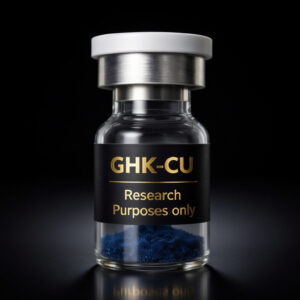
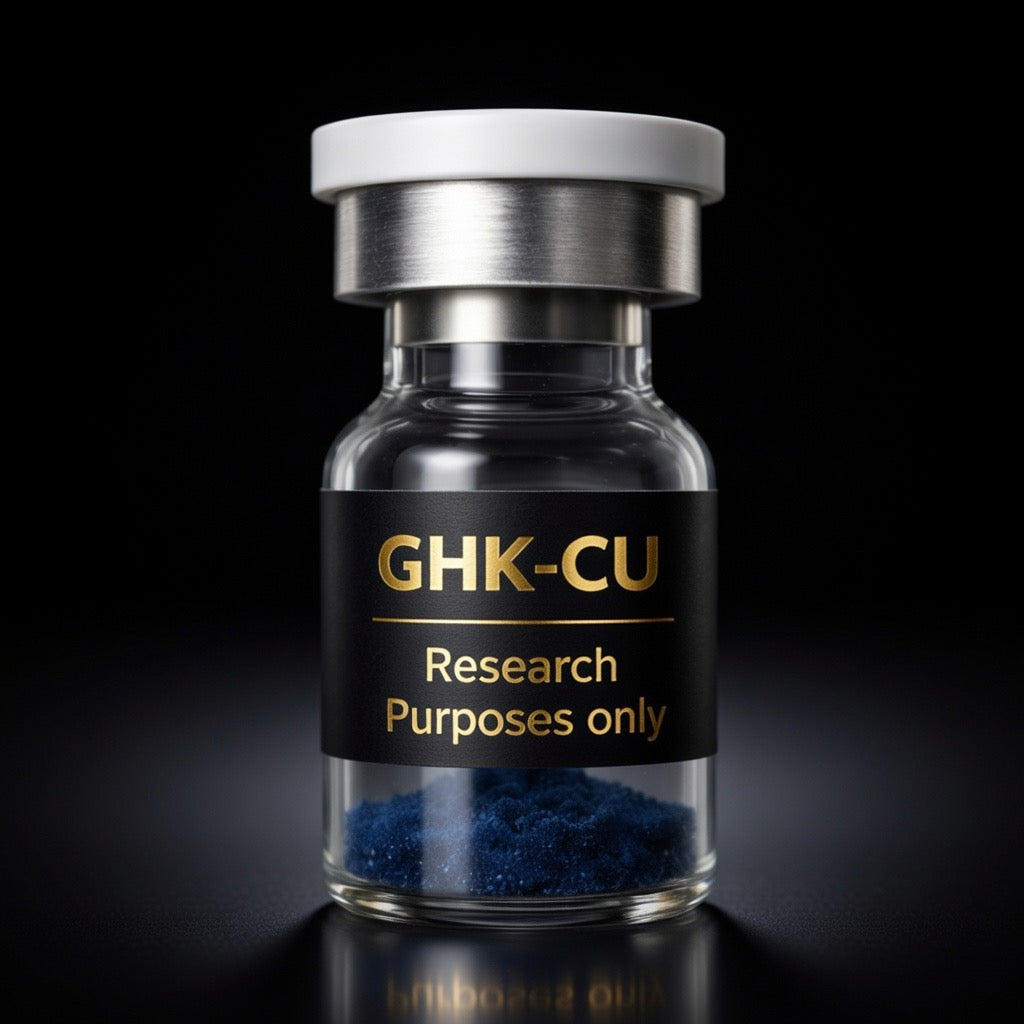
GHK-Cu 100mg is a peptide research product associated with scientific interest in copper peptide biology, molecular signalling, and cellular research. GHK-Cu, also known as glycyl-L-histidyl-L-lysine copper, is a naturally occurring tripeptide that forms a complex with copper ions. Research has explored its role in biological pathways related to cellular communication and tissue-related mechanisms.
The 100mg format provides a clearly defined quantity specification that helps identify the product and review available documentation. Product details, formulation characteristics, and classification depend on manufacturer information and applicable requirements.
Understanding GHK-Cu Research
GHK-Cu has been studied for several decades due to its interaction with copper and its potential involvement in biological signalling pathways. Scientific literature has examined GHK-Cu in areas including extracellular matrix research, cellular responses, antioxidant pathways, and molecular biology.
Research interest surrounding GHK-Cu includes:
- Copper peptide biology
- Cellular signalling studies
- Molecular research pathways
- Extracellular matrix research
- Laboratory peptide analysis
Current knowledge is primarily based on laboratory and preclinical research. Research findings should be interpreted within the appropriate scientific context.
Key Features of GHK-Cu 100mg
The GHK-Cu 100mg format may include features designed to support product identification and research documentation, including:
- Defined peptide quantity
- Product identification information
- Secure packaging format
- Manufacturer specifications
- Supporting quality documentation where available
The exact characteristics of a specific product depend on the manufacturer and supplied technical information.
Scientific Research Interest in GHK-Cu
GHK-Cu has attracted scientific attention because of its copper-binding properties and its relationship with cellular processes. Studies have investigated how this peptide complex interacts with biological systems and molecular pathways.
Areas of research interest include:
- Peptide-copper interactions
- Cellular communication mechanisms
- Tissue biology research models
- Gene expression studies
- Molecular signalling pathways
Researchers continue to investigate copper peptides to better understand their biological roles and potential mechanisms.
Quality Standards and Documentation
Quality documentation is an important consideration when evaluating peptide research materials. Reliable documentation helps provide transparency regarding product identity, specifications, and manufacturing information.
Important quality considerations may include:
- Product identification
- Batch information
- Analytical documentation
- Manufacturing standards
- Packaging verification
Clear documentation supports accurate record keeping and helps researchers evaluate materials based on available information.
Packaging and Product Identification
Packaging provides protection and important product details. Proper labelling allows users to verify product information and maintain organised records.
Before evaluating GHK-Cu 100mg information, important details may include:
- Product name
- Quantity specification
- Manufacturer information
- Packaging condition
- Available documentation
Accurate identification helps maintain consistent product records.
Storage and Handling Information
Storage requirements for peptide research materials may vary depending on formulation, packaging, and manufacturer recommendations.
General considerations may include:
- Following manufacturer storage instructions
- Protecting packaging from damage
- Maintaining suitable storage conditions
- Reviewing supplied documentation
Specific storage requirements should always be confirmed through official product information.
Responsible Research Practices
Research materials should be evaluated responsibly and handled according to appropriate scientific procedures. Researchers should review documentation and follow applicable laboratory requirements.
Responsible practices include:
- Reviewing technical information
- Maintaining accurate records
- Understanding product specifications
- Following laboratory standards
- Considering applicable regulations
Requirements may differ between countries and research environments.
Frequently Asked Questions About GHK-Cu 100mg
What is GHK-Cu 100mg?
GHK-Cu 100mg is a peptide research format containing a specified quantity of GHK-Cu, a copper-binding tripeptide studied in scientific research.
What is GHK-Cu studied for?
GHK-Cu has been studied in relation to copper biology, cellular signalling, molecular pathways, and tissue-related research models.
Why is product documentation important?
Documentation helps verify product identity, specifications, quality information, and handling requirements.
How should GHK-Cu 100mg information be reviewed?
Researchers should review manufacturer documentation, product specifications, quality information, and applicable requirements.
Does GHK-Cu have approved medical uses?
Research findings on GHK-Cu are mainly based on laboratory and preclinical studies. Regulatory status and approved uses vary depending on region.
Final Thoughts
GHK-Cu 100mg represents a peptide research format connected to ongoing scientific interest in copper peptides and cellular biology. Understanding product specifications, documentation, quality standards, and responsible research practices is important when evaluating specialised materials.
Continued research contributes to broader scientific understanding of copper-binding peptides and their biological mechanisms. Accurate documentation and appropriate research procedures remain essential when working with research materials.